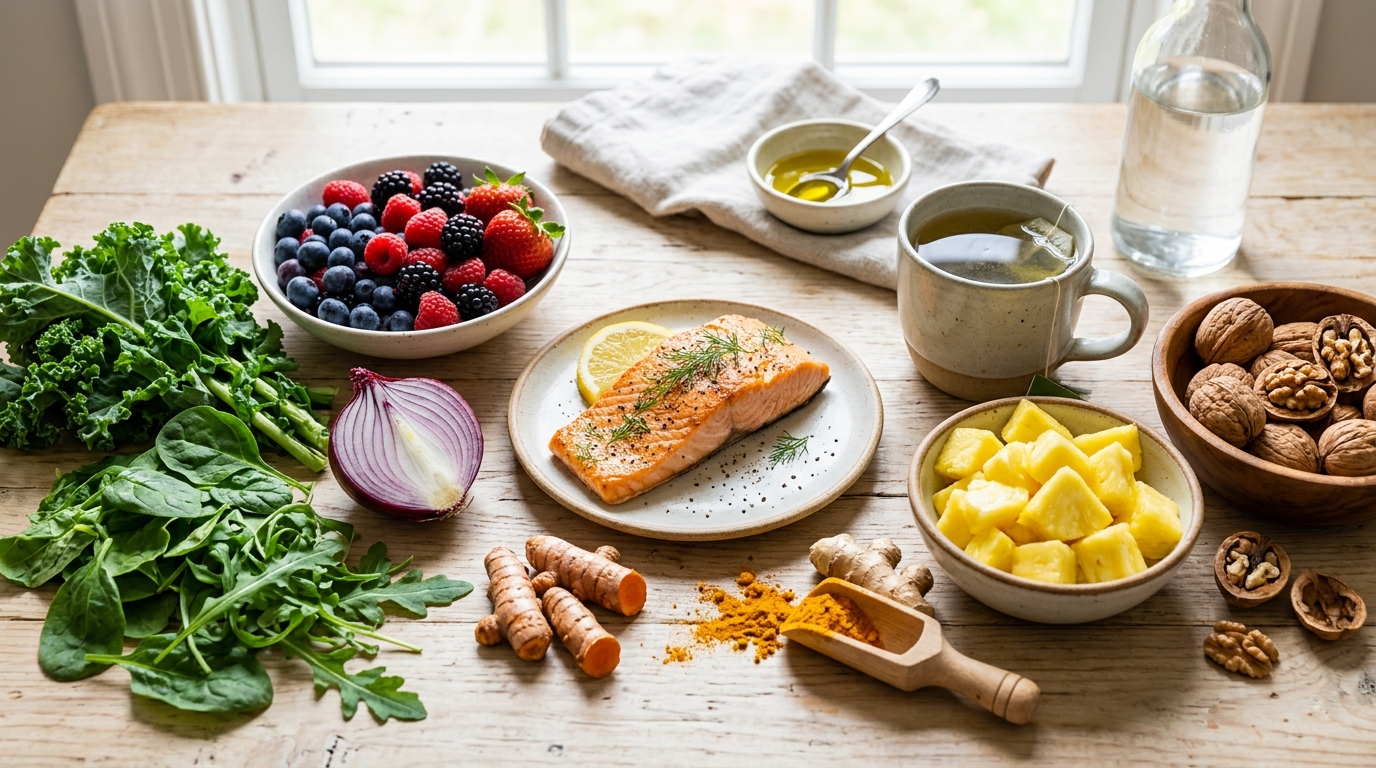
Key Takeaway:
Herbal teas containing EGCG, shikimic acid, and luteolin may directly interfere with spike protein binding to ACE2 receptors. Pine needle tea, green tea, and dandelion root tea are the three most research-supported options for complementary spike protein detox support.
Quick Answer:
The most effective spike protein detox teas are pine needle tea (rich in shikimic acid and suramin), green tea (EGCG blocks ACE2 binding), and dandelion root tea (luteolin inhibits spike protein attachment). Brew at 175-200F for 5-10 minutes and drink 2-3 cups daily alongside a structured supplement protocol.
Why Tea for Spike Protein Detox?
In the wake of widespread COVID-19 infection and mRNA vaccination, millions of people are searching for natural ways to address persistent symptoms — brain fog, fatigue, cardiovascular irregularities, and immune dysfunction — collectively linked to circulating spike proteins. While structured supplement protocols like the McCullough Protocol form the foundation of most evidence-based detox approaches, herbal teas offer an accessible, low-cost, and remarkably effective complementary strategy.
Teas work through several mechanisms that directly address spike protein biology. Hot water extractions liberate polyphenols, terpenes, and alkaloids that would otherwise be inaccessible. These bioactive compounds then interact with the spike protein's receptor-binding domain (RBD), inhibit ACE2 receptor attachment, reduce inflammation triggered by spike protein-immune interactions, and support the body's own enzymatic breakdown of aberrant proteins.
Unlike synthetic pharmaceuticals, herbal teas provide a matrix of synergistic compounds — a concept scientists call the "entourage effect." No single molecule works in isolation; instead, dozens of polyphenols, flavonoids, and terpenes work together to create effects greater than the sum of their parts. This is why whole-herb teas often outperform isolated extracts in real-world use.
Below, we review the 7 most evidence-supported herbal teas for spike protein detox, examining the science behind each one and giving you practical brewing and dosage guidance you can use starting today.
#1 Pine Needle Tea (Suramin Source)
🌲 Eastern White Pine (Pinus strobus) Tea
What It Is and Why It Works
Pine needle tea, brewed from the young green needles of Eastern White Pine (Pinus strobus) or Scots Pine (Pinus sylvestris), became one of the most-discussed natural detox options following research linking suramin — an antiparasitic drug derived from a compound first isolated from pine — to antiviral activity.
Suramin itself has been shown in laboratory studies to inhibit viral replication and block cellular entry of certain pathogens. While pine needles do not contain pharmaceutical-grade suramin, they contain suramin analog precursors and shikimic acid — the same compound used as the starting material for Tamiflu (oseltamivir). Shikimic acid exhibits documented antiviral activity and helps reduce the cellular machinery that spike proteins exploit for entry.
Active Compounds
- Shikimic acid: Antiviral; inhibits viral surface protein attachment
- Suramin analog precursors: May block spike protein-ACE2 interactions
- Alpha-pinene: Anti-inflammatory terpene with bronchial benefits
- Vitamin C: Immune support; white pine needles contain 5x more vitamin C than oranges by weight
- Proanthocyanidins: Antioxidant polyphenols that reduce oxidative stress from spike protein inflammation
Research Basis
A 2020 study in ACS Nano demonstrated that suramin and related compounds can disrupt the binding interface between SARS-CoV-2 spike protein and ACE2 receptors. While the study used pharmaceutical suramin rather than tea-derived precursors, it established the mechanistic plausibility for pine needle preparations. Herbalists and integrative practitioners point to the traditional use of pine needle tea by Indigenous North American peoples during influenza outbreaks as further evidence of its antiviral utility.
🫖 How to Brew Pine Needle Tea
- Harvest or purchase dried Eastern White Pine needles (NOT yew, NOT Norfolk Island pine — these are toxic)
- Remove the brown sheath at the base of needle clusters
- Use 1 tablespoon of fresh needles or 1 teaspoon dried per 8 oz water
- Bring water to 160-170°F (not a rolling boil — high heat destroys vitamin C)
- Pour over needles, steep 5-10 minutes covered
- Strain well, add honey or lemon to taste
- Drink warm
Recommended dosage: 1-2 cups daily, 5 days on / 2 days off cycling. Do not exceed 2 cups daily.
Where to buy: Fresh pine needles can be ethically foraged (ensure correct species identification). Dried organic pine needle tea is available on Amazon — look for products specifically labeled "Eastern White Pine" or "Scots Pine" with clear species identification.
#2 Green Tea (EGCG Powerhouse)
🍃 Camellia sinensis — Matcha or Loose-Leaf Green Tea
What It Is and Why It Works
Green tea is the most extensively researched herbal beverage in the world, with over 10,000 published studies to its credit. For spike protein detox specifically, the star compound is EGCG — epigallocatechin-3-gallate — the most abundant catechin in green tea and one of the most bioactive polyphenols known to science.
EGCG has been directly studied against SARS-CoV-2 spike protein in multiple peer-reviewed publications. Its mechanism is elegant: EGCG physically binds to the receptor-binding domain (RBD) of the spike protein, conformationally changing its shape so that it can no longer effectively attach to human ACE2 receptors. Think of it as a molecular key that jams the lock — once EGCG occupies the binding site, the spike protein cannot do its damage.
Active Compounds
- EGCG: Direct spike protein RBD inhibitor; anti-inflammatory; antiviral
- EGC (Epigallocatechin): Synergistic antiviral activity
- L-theanine: Reduces stress and supports immune function
- Quercetin: Zinc ionophore; anti-spike inflammatory activity
- Chlorophyll: Supports detoxification pathways
Research Basis
A landmark 2021 study published in Phytomedicine (DOI: 10.1016/j.phymed.2021.153680) demonstrated that EGCG inhibits SARS-CoV-2 infection at concentrations achievable through dietary intake. A separate 2022 molecular docking study in the Journal of Biomolecular Structure and Dynamics confirmed EGCG's high binding affinity for the spike protein RBD, predicting stronger inhibition than several tested pharmaceutical candidates. Matcha green tea — made from powdered whole leaves — delivers approximately 3x the EGCG of steeped green tea bags.
🫖 How to Brew Green Tea for Maximum EGCG
- Use high-quality Japanese green tea (gyokuro, sencha, or matcha) — avoid cheap green tea bags which have lower catechin content
- Heat water to 160-175°F (too hot destroys EGCG)
- Use 1 teaspoon loose leaf or 1 teaspoon matcha powder per 6-8 oz water
- For matcha: whisk powder with 2 oz hot water until frothy, then add remaining water
- Steep loose leaf 2-3 minutes
- Add a squeeze of lemon — vitamin C increases EGCG bioavailability by up to 13x
- Do NOT add milk — dairy proteins bind EGCG and block absorption
Recommended dosage: 3-4 cups of green tea daily, or 1-2 cups of matcha. For maximum benefit, drink between meals.
Where to buy: Look for ceremonial-grade matcha or single-origin Japanese sencha on Amazon. Brands like Ippodo, Encha, and Jade Leaf consistently offer high-catechin products.
#3 Dandelion Root Tea (Spike Protein Blocker)
🌼 Taraxacum officinale — Root and Leaf Tea
What It Is and Why It Works
Dandelion — dismissed as a lawn weed by most Americans — has emerged as one of the most exciting botanical candidates in spike protein research. A 2021 study by Banik et al. published in bioRxiv and later in Molecules found that common dandelion (Taraxacum officinale) leaf extract was able to block interaction of SARS-CoV-2 spike protein D614 and its mutants with ACE2 cell surface receptors at concentrations achievable through dietary or herbal intake.
The mechanism centers on luteolin — a flavone found abundantly in dandelion leaves — and chicoric acid, a caffeic acid derivative unique to dandelion that has been shown to inhibit viral protease enzymes. Together, these compounds create a dual-action barrier: blocking spike protein entry while also interfering with viral replication machinery inside cells.
Active Compounds
- Luteolin: ACE2 receptor competitor; anti-inflammatory; neuroprotective (relevant for long COVID brain fog)
- Chicoric acid: Viral protease inhibitor; antiviral
- Taraxacin: Liver-supportive bitter compound that enhances detoxification
- Inulin: Prebiotic fiber that supports gut microbiome — critical for long COVID recovery
- Beta-sitosterol: Anti-inflammatory sterol
Research Basis
The Banik et al. (2021) study tested dandelion leaf extract against spike protein variants and found blocking activity against the original Wuhan strain, the Alpha variant, Delta, and Omicron-related mutations. The researchers noted that the phytochemical profile of dandelion made it particularly promising as both a prophylactic (preventive) and therapeutic (treatment) botanical agent. Dandelion root additionally supports liver function, which is essential for metabolizing and eliminating spike protein breakdown products.
🫖 How to Brew Dandelion Tea
For root tea (stronger, more liver-supportive):
- Use 1-2 teaspoons of dried roasted dandelion root per 8 oz water
- Simmer (not steep) in water at a low boil for 10-15 minutes
- Strain and drink; has a coffee-like, slightly bitter flavor
- Add honey and a cinnamon stick to improve taste
For leaf tea (higher luteolin and chicoric acid):
- Use 1 tablespoon fresh dandelion leaves or 1 teaspoon dried per 8 oz
- Steep in water heated to 200°F for 5-7 minutes
- Strain; add lemon and honey
Recommended dosage: 2-3 cups daily. Root tea in the morning (liver support), leaf tea in the afternoon (antiviral action).
Where to buy: Roasted dandelion root tea is widely available. Look for organic certified products on Amazon — Alvita and Traditional Medicinals are reliable brands.
#4 White Pine Bark Tea (Shikimic Acid)
🪵 Pinus strobus Inner Bark Tea
What It Is and Why It Works
White pine bark tea — brewed from the inner bark (cambium layer) of Eastern White Pine — concentrates shikimic acid and oligomeric proanthocyanidins (OPCs) more densely than needle tea. Shikimic acid, the antiviral compound at the heart of Tamiflu, naturally occurs in high concentrations in pine bark and acts as a competitive inhibitor of viral surface proteins including the SARS-CoV-2 spike.
OPCs from pine bark are among the most potent naturally occurring antioxidants — 50 times more powerful than vitamin E and 20 times more powerful than vitamin C by ORAC measure. In the context of spike protein detox, OPCs are particularly valuable because spike proteins trigger significant oxidative stress and mitochondrial dysfunction. Reducing this oxidative burden helps cells recover their normal function faster.
Active Compounds
- Shikimic acid: Antiviral; Tamiflu precursor; spike protein inhibitor
- OPCs (oligomeric proanthocyanidins): Powerful antioxidants; anti-inflammatory
- Pycnogenol-related compounds: Cardiovascular protective; endothelial repair
- Catechins: Related to EGCG; antiviral activity
🫖 How to Brew Pine Bark Tea
- Source inner bark from a reputable herbal supplier (do not strip living trees)
- Use 1 teaspoon dried inner bark pieces per 8 oz water
- Simmer on low heat for 15-20 minutes (bark requires longer extraction)
- Strain thoroughly; the resulting tea will be reddish-brown
- Add cinnamon, honey, or vanilla to taste
Recommended dosage: 1-2 cups daily. Best consumed with a small amount of healthy fat (coconut milk, MCT oil) for improved OPC absorption.
Where to buy: Dried pine bark is available from specialty herbal retailers online. Pine bark extract capsules (Pycnogenol standardized) are more bioavailable and widely available on Amazon.
#5 Star Anise Tea (Shikimic Acid Alternative)
⭐ Illicium verum Tea
What It Is and Why It Works
Star anise is the spice from which 90% of the world's pharmaceutical shikimic acid is derived for Tamiflu production. As a tea, it delivers meaningful concentrations of shikimic acid in a pleasant, licorice-flavored beverage. Star anise is also rich in anethole — an aromatic compound with documented anti-inflammatory, antimicrobial, and antiviral properties.
Star anise tea serves as an excellent daily-rotation option when alternating with pine needle tea, allowing the body to benefit from shikimic acid's antiviral effects without building tolerance or overtaxing any single herbal pathway. It is gentler than pine needle tea and more palatable for most users.
Active Compounds
- Shikimic acid: Antiviral; precursor to oseltamivir (Tamiflu)
- Anethole: Anti-inflammatory; antimicrobial; immune modulating
- Quercetin: Zinc ionophore; anti-spike inflammatory action
- Linalool: Calming terpene; reduces stress-driven immune suppression
🫖 How to Brew Star Anise Tea
- Use 2-3 whole star anise pods per 8 oz water (or 1 teaspoon ground)
- Bring water to a full boil
- Add star anise, reduce heat, and simmer 10 minutes
- Steep an additional 5 minutes off heat
- Strain and drink; delicious with honey, cinnamon stick, and a thin slice of orange
- Can be combined with ginger for synergistic anti-inflammatory effect
Recommended dosage: 1-2 cups daily. Avoid large quantities — while safe at culinary doses, very high amounts of star anise can cause neurological side effects.
Where to buy: Whole organic star anise is inexpensive and widely available in grocery stores and on Amazon. Freshness matters — look for deeply aromatic pods, not pale or dusty ones.
#6 Turmeric Golden Milk Tea (Curcumin Delivery)
🌙 Curcuma longa — Golden Milk / Turmeric Latte
What It Is and Why It Works
Turmeric golden milk — a warm beverage made with turmeric, black pepper, and a fat-rich milk — is arguably the most bioavailable way to consume curcumin, turmeric's primary active compound. Curcumin is one of the core ingredients in the McCullough Protocol for good reason: it directly inhibits the NF-kB signaling pathway that spike proteins use to drive chronic inflammation.
Curcumin's challenge is bioavailability — it is poorly absorbed from the gut on its own. Golden milk solves this by combining turmeric with black pepper (piperine, which increases curcumin absorption by 2,000%) and fat (curcumin is lipophilic — it dissolves in fat and is then readily absorbed). The result is a tea that delivers clinically meaningful curcumin concentrations to the bloodstream.
Active Compounds
- Curcumin: NF-kB inhibitor; anti-inflammatory; direct spike protein binding activity
- Bisdemethoxycurcumin: Synergistic curcuminoid; immune modulating
- Piperine: Curcumin bioavailability enhancer (2,000x increase)
- Turmerone: Neuroprotective aromatic compound; brain fog support
- Gingerols (if ginger added): Anti-inflammatory synergy
Research Basis
A 2020 study in Molecules demonstrated curcumin's ability to inhibit SARS-CoV-2 main protease (Mpro) — a critical enzyme the virus needs to replicate. A 2021 molecular dynamics simulation published in the Journal of Biomolecular Structure and Dynamics found curcumin exhibited strong binding affinity for the spike protein RBD, potentially preventing ACE2 receptor engagement. Clinical trials using curcumin in COVID-19 patients showed reductions in cytokine storm severity, which is directly relevant to spike protein-driven immune dysregulation in long COVID.
🫖 How to Make Turmeric Golden Milk
- Heat 8 oz of full-fat coconut milk or oat milk in a small saucepan over medium heat
- Add 1 teaspoon ground turmeric (or 1 tablespoon fresh grated turmeric)
- Add 1/4 teaspoon freshly ground black pepper (mandatory for bioavailability)
- Add 1/4 teaspoon cinnamon, 1/4 teaspoon ginger
- Add 1 teaspoon coconut oil or ghee (fat carrier for curcumin)
- Whisk over low heat for 3-5 minutes — do not boil
- Sweeten with raw honey after removing from heat
- Froth with an immersion blender for a latte texture
Recommended dosage: 1-2 cups daily, ideally with a meal that contains healthy fats. Morning and evening are both effective timing windows.
Where to buy: Use organic turmeric powder from brands like Frontier Co-op or Simply Organic, available on Amazon. For therapeutic concentrations, consider combining the tea with a high-bioavailability curcumin supplement like Longvida or Meriva.
#7 Ginger-Lemon Detox Tea (Anti-Inflammatory Base)
🫚 Zingiber officinale + Citrus limon
What It Is and Why It Works
Ginger-lemon tea is the most universally safe and accessible of the seven teas, making it an ideal daily foundation for spike protein detox — especially for people who are pregnant, sensitive to strong herbs, or new to herbal protocols. While its direct anti-spike evidence is less specific than pine needle or green tea, its broad anti-inflammatory, digestive, and immune-supportive effects make it an excellent base to build upon.
Ginger's primary active compounds — gingerols in fresh ginger, shogaols in dried ginger — inhibit COX-2 and LOX enzymes with potency comparable to pharmaceutical NSAIDs but without gastric side effects. Since spike proteins drive COX-2-mediated inflammation in endothelial cells and throughout the body, ginger's COX-2 inhibition directly addresses one of the key mechanisms of spike protein pathology.
Lemon provides a concentrated dose of vitamin C and hesperidin (a flavonoid with direct antiviral properties), while the citric acid environment improves the absorption of several other tea compounds when this blend is drunk alongside other detox teas.
Active Compounds
- Gingerols: COX-2 inhibitors; anti-inflammatory; antiemetic
- Shogaols: Neuroprotective; anti-inflammatory; more potent than gingerols
- Vitamin C (lemon): Immune support; collagen synthesis; antioxidant
- Hesperidin (lemon peel): Antiviral; ACE2 binding competitor
- Limonene: Anti-inflammatory terpene; liver detox support
- Zingerone: Anti-inflammatory; gut-protective
🫖 How to Make Ginger-Lemon Detox Tea
- Slice or grate 1-inch piece of fresh ginger root (do not use powder — fresh ginger has 3x more gingerols)
- Bring 2 cups of water to a boil
- Add ginger, reduce to simmer, cook 10 minutes
- Remove from heat, add juice of 1/2 fresh lemon
- Optional: add 1 thin slice of lemon with peel for hesperidin
- Sweeten with raw manuka honey (which adds its own antimicrobial activity)
- Drink warm; can also be iced in summer
Recommended dosage: 2-3 cups daily. This is the safest of the seven teas and can be consumed freely. Excellent as an evening wind-down tea.
Where to buy: Fresh organic ginger root is available at most grocery stores. Dried ginger tea bags are widely available on Amazon from brands like Yogi Tea and Traditional Medicinals.
How to Brew for Maximum Potency
The bioavailability of the active compounds in these teas varies significantly based on brewing technique. Follow these universal principles to maximize the therapeutic effect of every cup:
Temperature Control
This is the single most overlooked factor. Different compounds require different temperatures:
- 160-175°F: Green tea, white tea — higher temps destroy EGCG
- 190-200°F: Dandelion leaf, star anise leaf
- Full simmer (200-212°F): Roots, bark, and woody materials — these require decoction (simmering), not steeping
Steep Time
- Delicate leaves: 2-4 minutes
- Robust herbs: 5-10 minutes
- Roots and bark: 15-20 minutes simmering
Enhancers That Boost Bioavailability
| Enhancer | What It Helps | How to Use |
|---|---|---|
| Black pepper | Curcumin absorption (+2,000%) | Add to turmeric tea |
| Lemon juice | EGCG stability and catechin absorption | Add to green tea |
| Coconut oil / ghee | Fat-soluble compound absorption | Add to turmeric, pine bark teas |
| Honey (raw) | Prebiotic + antimicrobial synergy | Add to any tea after cooling slightly |
| Vitamin C | EGCG and OPC stabilization | Add lemon juice or supplement |
Rotation Schedule
Do not drink the same tea every day. Rotating through different teas prevents tolerance, ensures you cover multiple mechanisms, and avoids the small risk of compound accumulation from any single herb. A sample week:
- Monday: Green tea (morning) + Turmeric golden milk (evening)
- Tuesday: Pine needle tea + Ginger-lemon tea
- Wednesday: Dandelion root + Green tea
- Thursday: Star anise + Turmeric golden milk
- Friday: Pine bark + Ginger-lemon tea
- Saturday: All green tea day (safe to drink freely)
- Sunday: Dandelion leaf + Ginger-lemon
Who Should Avoid Detox Teas (Safety)
The following groups should exercise particular caution:
Pregnant Women
Pine needle tea, star anise (in large amounts), and high-dose turmeric are contraindicated in pregnancy. They may stimulate uterine contractions. Plain ginger tea in moderate amounts (1 cup daily) is generally considered safe for morning sickness but confirm with your OB-GYN.
People on Blood Thinners
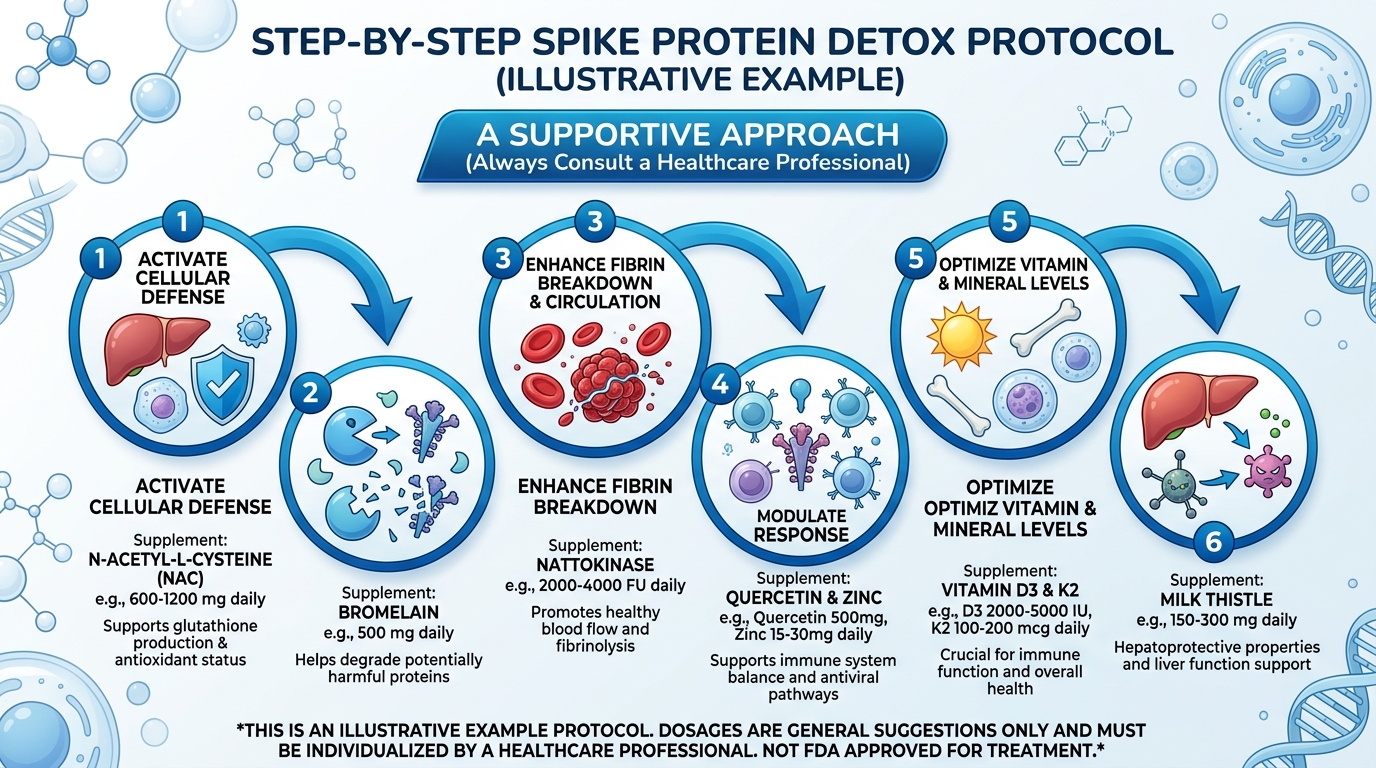
Nattokinase and high-dose green tea EGCG have mild anticoagulant effects. If you take warfarin (Coumadin), aspirin therapy, or other anticoagulants, discuss with your physician before adding therapeutic quantities of these teas.
Iron-Deficiency Anemia
Green tea's tannins can bind non-heme iron and reduce absorption. If you have iron deficiency anemia, drink green tea between meals — not with iron-rich foods or iron supplements.
Kidney Disease
Dandelion acts as a natural diuretic. Those with kidney disease or on diuretic medications should use dandelion tea cautiously and with medical supervision.
Gallbladder Issues
Turmeric stimulates bile production, which is generally beneficial but can aggravate active gallstones or bile duct obstruction. Avoid high-dose turmeric tea if you have gallbladder disease.